The OG Lioness
A pioneer of women’s football on
England, Copa 71 and defying
the FA to play the game she loves
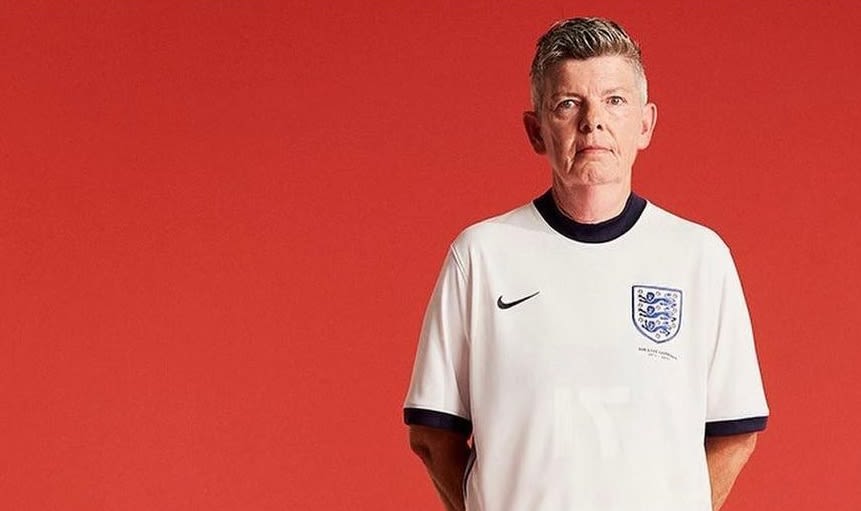


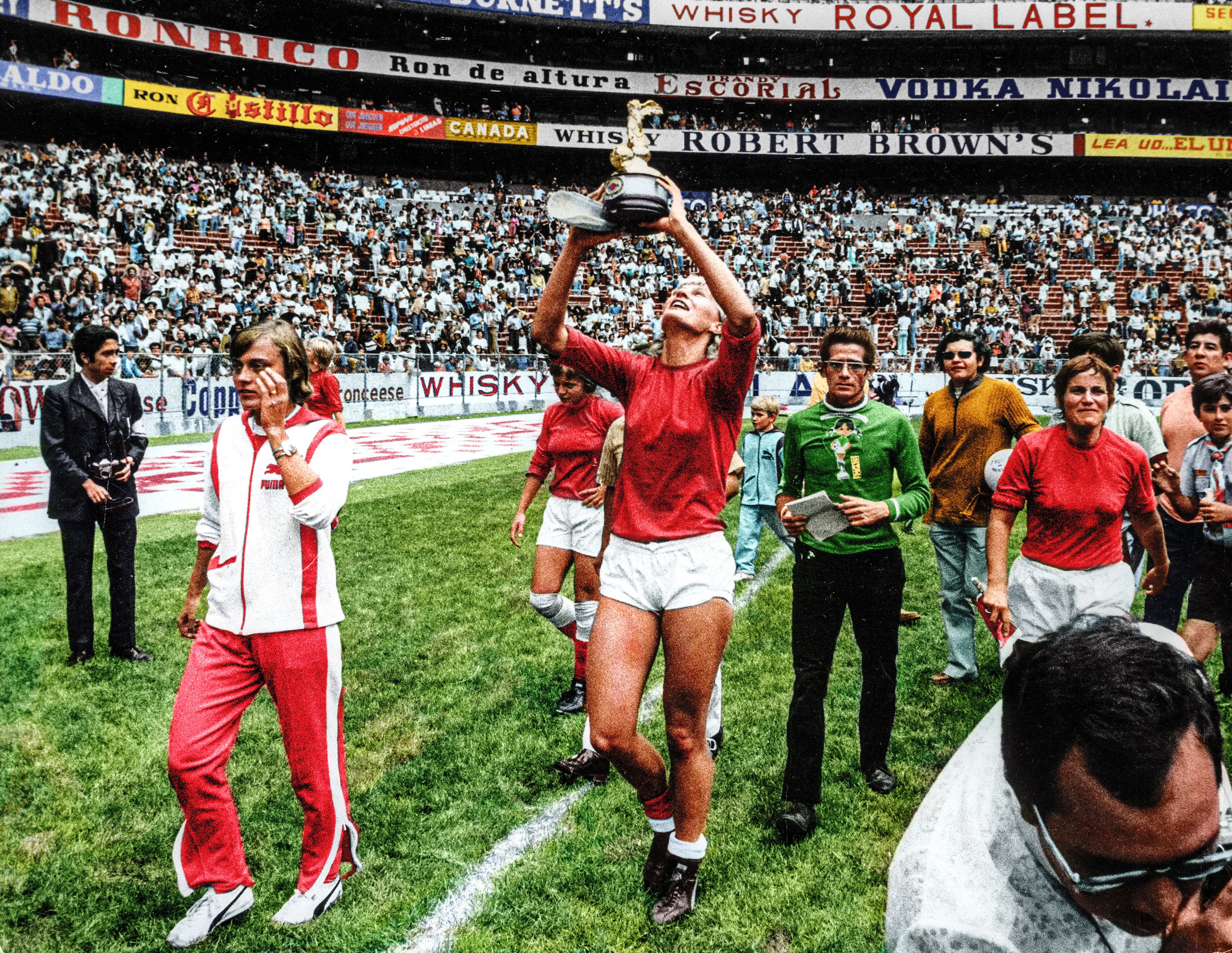
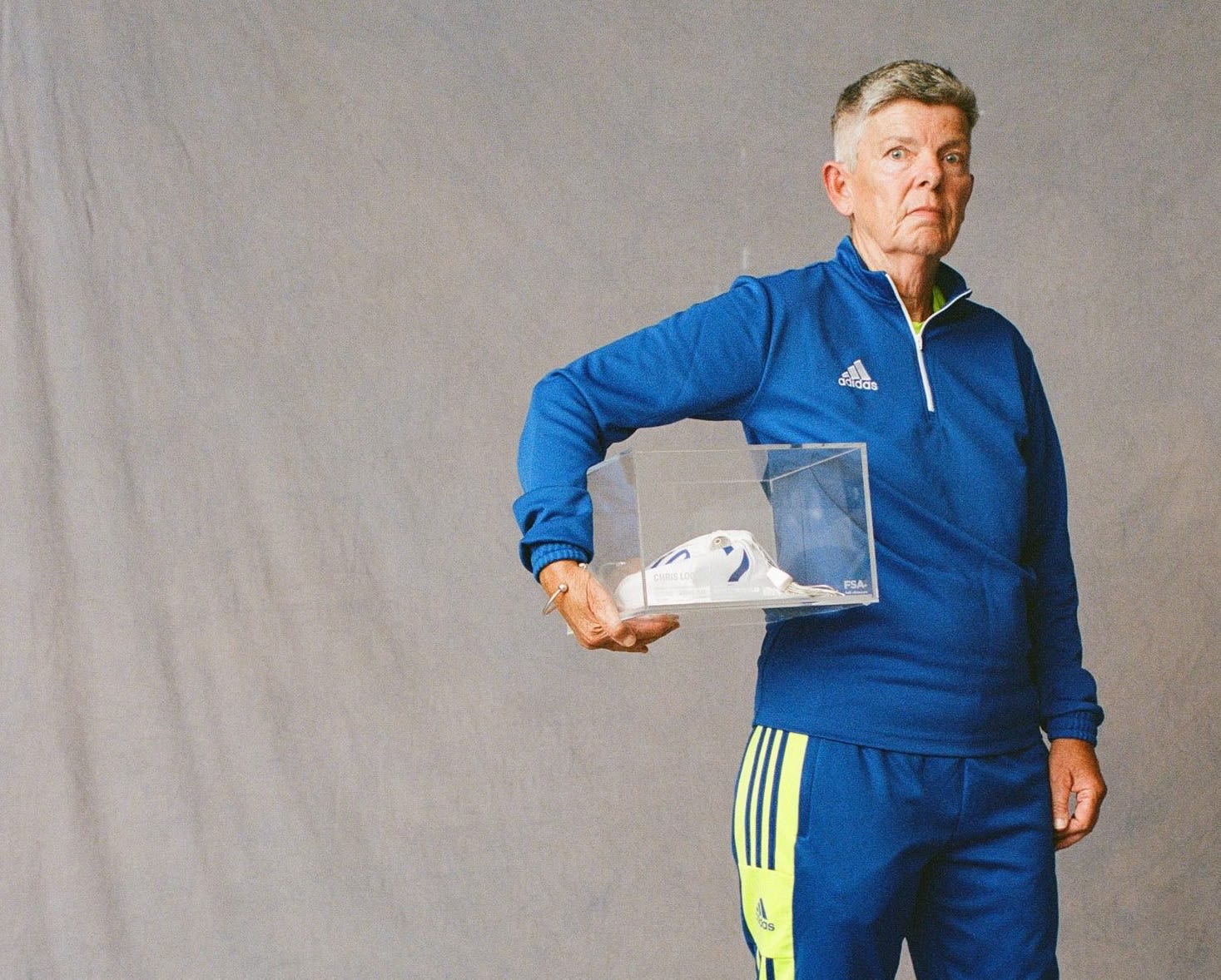
Chris Lockwood can still remember the camera flashes that met her as the jet’s doors swung open on the tarmac in the early hours of the morning in Mexico in 1971.
It was dark outside, and the flashes filled the sky. She turned to her England teammates and said “I think there’s someone famous on this plane”. There wasn’t. It was for them, and they were greeted as celebrities.
Twenty years before FIFA authorised the idea of the Women’s World Cup, an unofficial tournament was played at Mexico City’s Azteca Stadium. It was the same ground that hosted part of the men’s championship just 14 months earlier.
Despite football fever sweeping through Mexico once again a year later with the huge fan and media attention it attracted – it was shortlived. Memories of the tournament had been all-but erased in England, until now.
Striker Chris was one of 14 young women representing England who travelled more than 5,000 miles to take part. Only last year she began to share her side of the story publicly.


There was little support for the women’s game in England during Chris’ childhood. Since 1921, a Football Association ban stopped women from playing on league pitches across the country. They could only play on local parks on a Sunday afternoon.
“Girls have loved football all their lives, you know, for a long time, you know,” Chris says. “You can go back to Dick, Kerr Ladies in the 20s and it never went away. It just got pushed away by the authorities.”
Chris’ love for football started very early in her childhood. She would play with her cousins and the boys at school in the playground at her primary school in Luton. “All I cared for was football. If someone said to me, ‘Chris, come on, we’ll have a game on the moon’ I would have gone.”
“At school I wouldn’t get picked for the team because I’m a woman,” she says. “I was the best player, but it was really frowned upon at the time. When the boys were playing, I kicked the ball and I got sent back to the dressing room.”
Chris then joined Chiltern Valley Ladies, run by Harry Batt and his wife June. While playing for them, she was picked to play in the tournament. Harry was the man behind England’s 1971 team, who were called the British Independents but billed in Mexico as Inglaterra. Thanks to his forward-thinking mindset, he criss-crossed the country scouting women to play on the international stage.
“Harry travelled around the country as much as he could because he wasn’t a rich man. He was a bus driver and had a council house, there was nobody funding him. So, he did it out of pure passion,” she says. “If we hadn’t gone then nobody would’ve. To deny women the chance of that well, it’s mad.”


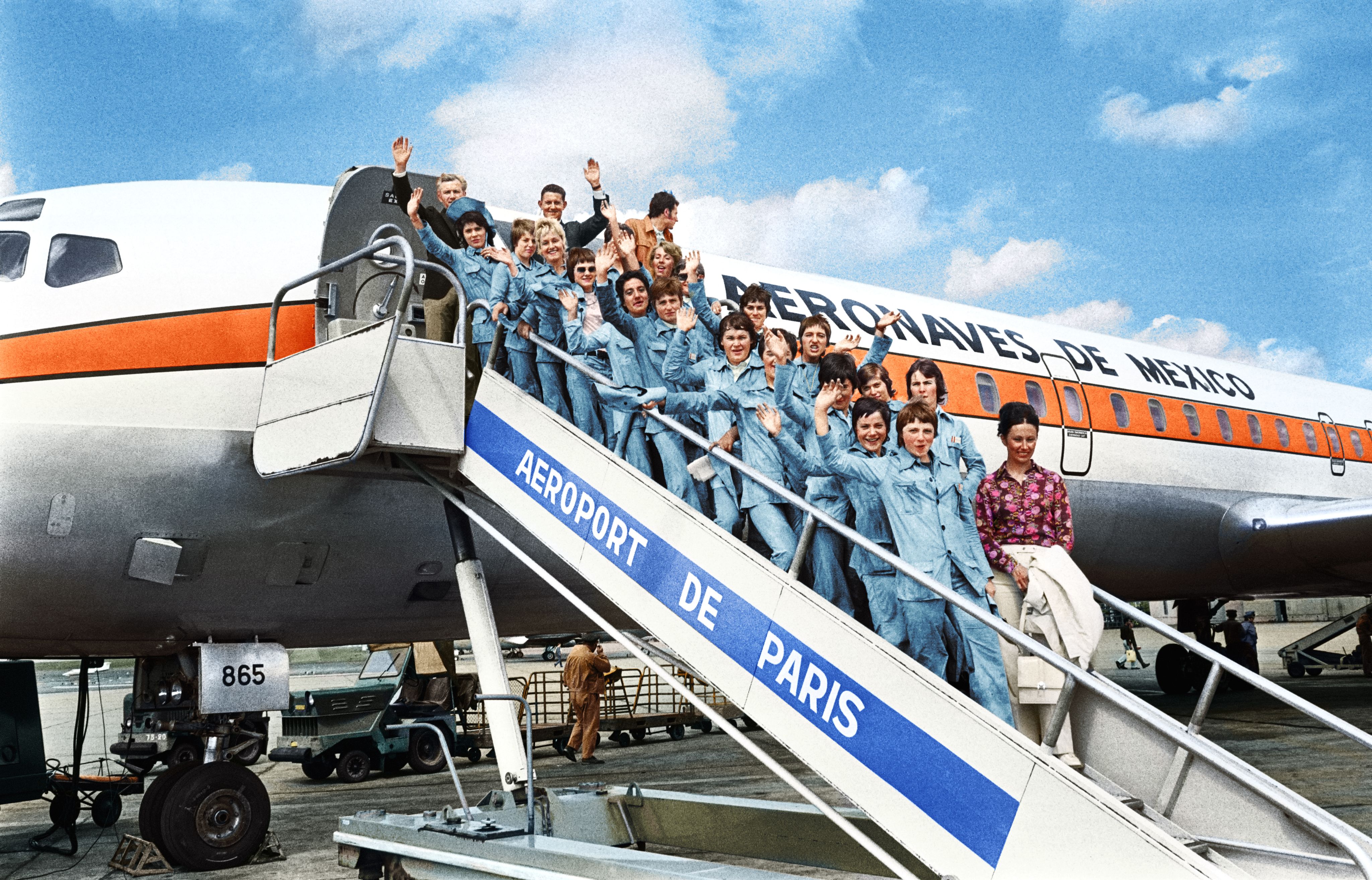
The fans in Mexico were hit by football fever and the team’s training sessions drew 300 people – far bigger numbers than the team were used to back home for matches. They were treated like celebrities and stalked by paparazzi. “We had police escorts because sometimes if you were going somewhere and the fans knew that they’d start circling the bus and it never got anywhere.”
England were in a group with Argentina and Mexico. After losing their opening game against Argentina, they took on the host nation in front of 80,000 fans at the Azteca Stadium.
The noise of the crowd reverberated through Chris’ body as she stepped onto the pitch. They had gone from playing in front of nobody to everybody. “You can’t hear other people near you, and you can’t hear yourself think,” she says. “It was high emotion; you were right in the middle of the crowd, so it was very intense.”
England were beaten 4-0, and lost the fifth-place play-off too, against France. Mexico went all the way to the final, where a crowd of 110,000 saw Denmark win 3-0. It was, and remains, the best-attended women’s sports event in history.
Despite being knocked out of the tournament in the group stages, Mexico had fallen in love with the ‘Lost Lionesses’. “The school children came with a little placard they’d made and on it, it said ‘you have lost the game, but you’ve won the heart of Mexico.’”

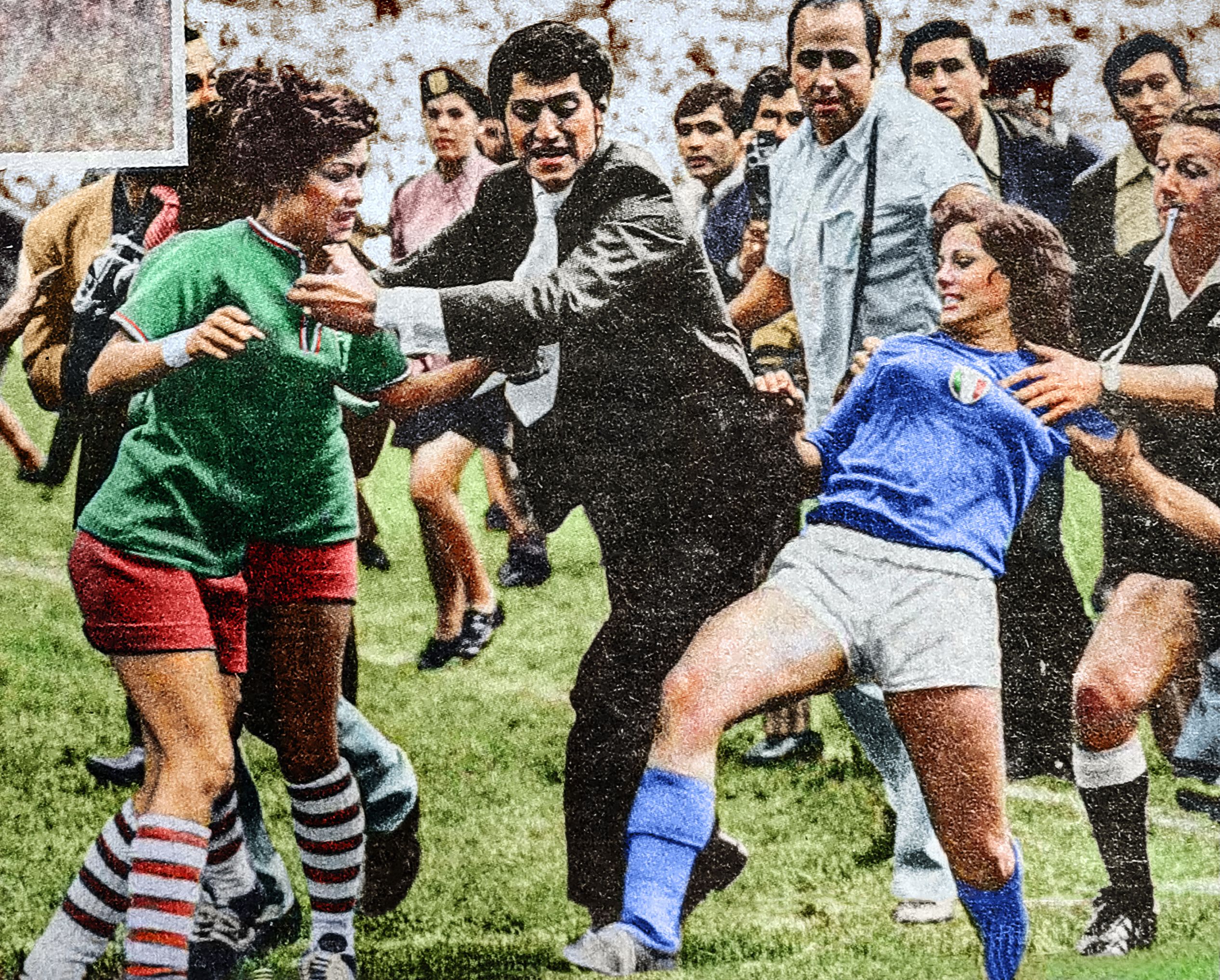
When the squad returned to England and stepped into Heathrow airport, nobody was there.
Mexico felt like a fever dream. They were slapped back into reality and for years none of them talked about it. Some didn’t even see each other again for another 47 years.
“We never spoke about it and the only thing I think is because when we got back, we all got banned,” she says. “Psychologically we felt like we had done something wrong and nobody cared about what we had achieved. Some of the girls never played again.”
Their manager Harry got banned by the FA for life. “That was the worst of it all. Ban the man that wanted the best for women’s football.”
Chris was surprised the competition did not have a greater impact in England and around the World. “If I had wanted to shout and rave about it, there just wasn’t the platform to do it,” she says. “We remember coming home thinking ‘this is it now – for all the women footballers, it’s going to be great’. The reality is it’s only been great in these last six years.”


Twenty years on from Mexico, the first FIFA Women’s World Cup was held in China.
That summer, the Women’s Football Association, founded in 1969, launched the National League in England. It wasn’t until six years later that the FA outlined plans to develop the women’s game all the way through from grassroots to elite level.
The story of the secret tournament has now been turned into a documentary produced by Serena and Venus Williams called ‘Copa 71’. “Not only did we all reunite again, but someone decided to make a film. Even if you don’t like football, you would love it,” she says.
For Chris, the silver lining is the people she’s now met because of the renewed interest in their story and the surging success of women’s football.
“I’ve met nothing but lovely people,” she says. “The fact that people are writing about our story that’s brilliant for a start, talking to school children, seeing my niece write a play.”
A girl that Chris met when she was speaking at a university decided to quit her job at Manchester City to work on the documentary as a researcher and now it’s completed, she’s started a foundation called ‘Our Goal’.
“All these things have come from me that have inspired people,” says Chris. “What more can I ask, otherwise it’s not worth it, is it?”
Copa 71 is now available to stream from Dogwoof Films.
Made with Shorthand. Images courtesy of Dogwoof films, Josie Hall and Will Douglas.

 Built with Shorthand