
ADHD diagnosis: Am I really that different?
Struggling with severe ADHD can be a lonely path. Feature writer Sara Doktorova interviews Jamie Dhada, a 15-year-old secondary school student who says others do not see what is going on in his head.
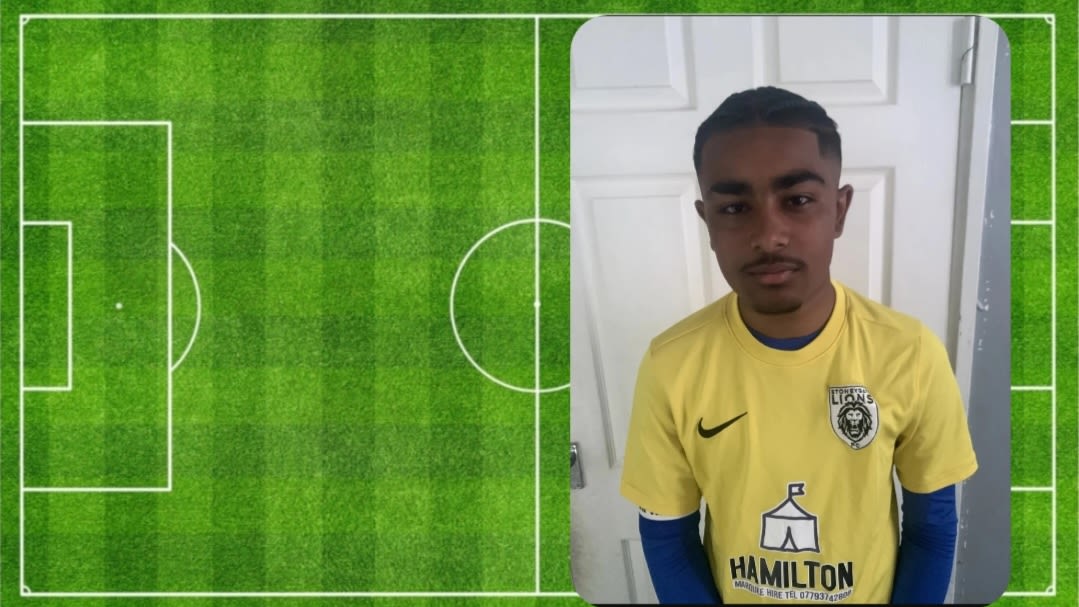

It doesn’t matter what the class is, Jamie’s thoughts are pretty much the same. He can hear his teacher, he can see the details on the whiteboard, but his mind isn’t taking it in.
His mind asks: "What’s that noise outside? What’s for dinner tonight? I wonder what my mate Anthony is doing? Hopefully we score some goals today? What’s that on the floor? Ooh, there’s a fly?"
The rest of the class are listening to the teacher.
For Jamie, he has a million things rushing through his mind at any time.
This is life with ADHD.
Jamie, 15, of Goodwood, has had ADHD for most of his life but he was only diagnosed with it at the age of 11, thanks to a teacher who noticed the signs.
“When I found out I had it, I thought I was different compared to others,” he says, describing himself as energetic, non-serious and sporty.
Now studying at at the City of Leicester College, Jamie exhibits several symptoms of ADHD, including difficulty maintaining focus and frequent mental distractions. He often experiences multiple thoughts simultaneously, which can make it challenging to stay on topic during conversations. As a result, he may quickly shift subjects while speaking with others.
“The hardest challenge for me is to concentrate and be serious when it is needed,” he says. “Controlling anger is also a problem of ADHD that I struggle with when I am annoyed and distractions are also a big problem for me.”
He says he receives constant support from his mother and sister. His father, however, left the family during his early childhood, which had a significant emotional impact on Jamie and the rest of the family. Although his mother encouraged him to build a relationship with his father, who lives in Birmingham, Jamie eventually chose not to form a bond with his dad.
“I support Jamie in every way that I can and be there for him,” says Manpreet Kaur, Jamie’s mum.
To help manage his hyperactivity, he decided to take up sports such as football which has become a key activity to balance out his energy levels. He plays for the Stoneygate Lions, a local team based in Hamilton, Leicester, and football now plays a significant role in his life, providing him with the enjoyment that he needs. In addition to sport, Jamie also enjoys playing on his PlayStation after school as a way to relax.
“These hobbies keep me away from reality and I am very good at it,” he says.
Due to his forgetfulness, Jamie often needs reminders to stay organised. His mother helps by encouraging him to pack everything he needs for school the night before. On occasions when he does forget something, he usually calls her and asks for help.
“I know it stresses her out because she always tells me to pack the day before, but when she starts stressing, I stress a lot too,” he adds.
Manpreet receives the Personal Independence Payment (PIP), a disability benefit that helps cover the cost of his football activities. However, she is concerned about potential government cuts to this support, which could affect her ability to continue funding football activities for him.
Jamie was supported by a mentor named Danny, who provided guidance during challenging periods and shared strategies to help him stay focused. In addition to this support, Jamie takes the medication Ritalin daily to help manage his symptoms throughout the school day.
Initially, Jamie felt different from his peers and often saw himself as an outsider at school, particularly because he struggled academically. Despite these challenges, he remains motivated and wants to improve and succeed in his studies.
“I use my disability to my advantage,” he says.
He recalled a time during a lesson when he felt tired and irritable. As the classroom became increasingly noisy, he felt his frustration building. To manage his emotions, he used his time-out card and left the room to calm down. Instead of returning to class, he chose to speak with his head of year for additional support.
On another occasion, Jamie felt overwhelmed due to ongoing sleep difficulties, which often caused him to wake up late and fall behind in his learning. On one such day, he had a business test scheduled but, feeling unprepared and anxious, he decided to skip the test and again sought support from his head of year.
He sometimes chooses to stay at home, rather than interact with his friends. He keeps things to himself, as he is a very irritable person who can get triggered easily.

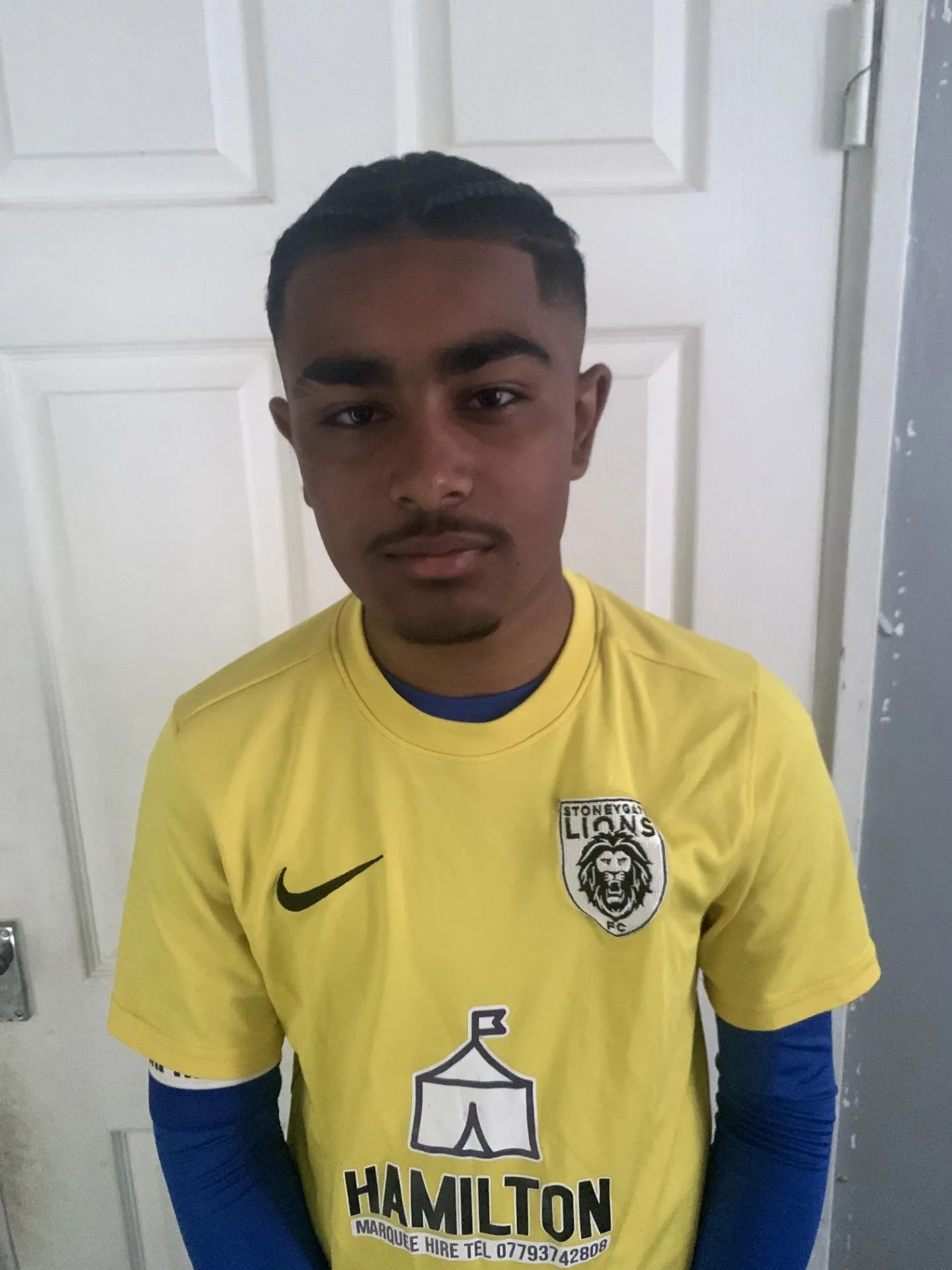
Jamie Dhada wearing his team’s football t-shirt.
Jamie Dhada wearing his team’s football t-shirt.


Jamie Dhada playing football
Jamie Dhada playing football
He says he has never felt discriminated against but many people around him try to joke around with the fact that he has ADHD and make him feel like he’s different.
“Everyone is different in their own ways. I don’t really care now if people would say stuff, because I know who I am and what I could do,” he adds.
In order to avoid distractions, he revises at home while playing a movie in the background to do some questions and then stops to watch some of the film and repeats the cycle. At school he uses his time out card rather than lose focus in class and start to mess about which could impact him and his peers.
After his GCSEs he would like to study accounting and continue in his father’s footsteps. His aspiration is to be a stockbroker in the future because he knows how computers work, and he just wants to make money.
For others with ADHD, he says: “My advice would be to find a hobby and talk to someone.”
ADHD is a neurodevelopmental condition affecting focus, hyperactivity, and impulsivity, with symptoms often starting in childhood but not always diagnosed until adulthood.




 Built with Shorthand