Leicester has a problem
Party girls share harassment horror story


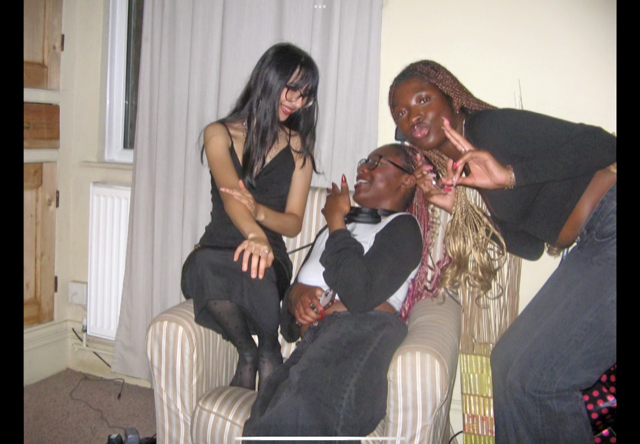
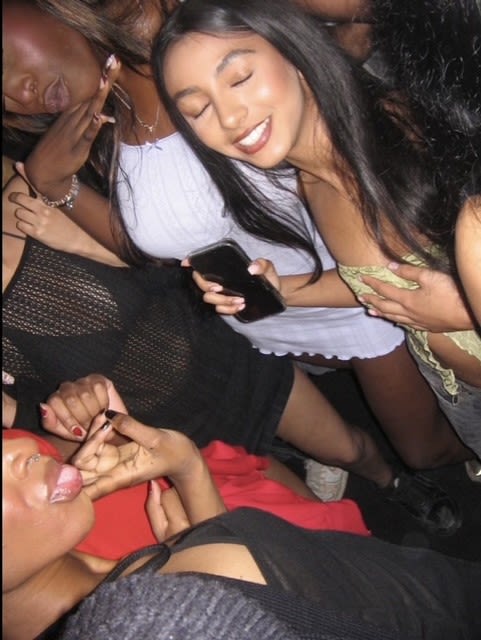
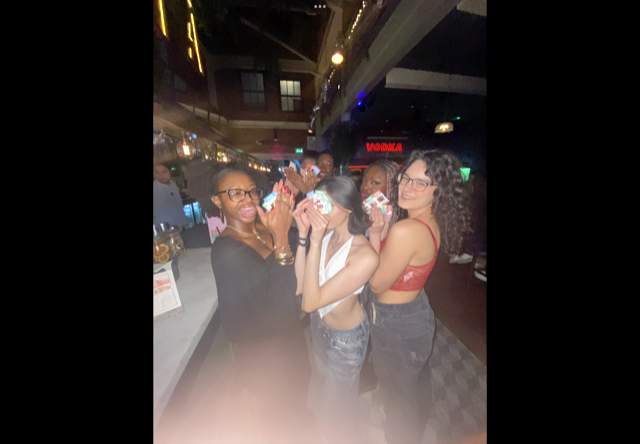
For weeks, three Leicester University students devoted their weekends to a self-proclaimed “party marathon.” The trio embraced the city’s nightlife, determined to make the most of their final year before exam season set in.
But their excitement was quickly dampened by a harsh reality, aggressive advances and disturbing encounters became an unavoidable part of their nights out. Tito Adidi, Sara Konak and Maaya Khan toured a total of ten clubs, every weekend, for a month.
“We started the night of Christmas and only stopped this last weekend, the 25th,” Sara admits, holding back a giggle.
What started as a celebration of friendship and freedom quickly turned into a sobering reflection on the pressure women face on nights out.
“Leicester has a problem,” Tito said firmly, sitting with her arms crossed as she recounted their experiences. “Every time we left a club, we were catcalled.”
Sara nodded, her voice steady and her frustration visible: “People think there’s a thin line between flirting and harassment, but the truth is, they’re extremely different.”

Their discomfort was not limited to catcalling. The group recalled a particularly traumatic incident on New Year’s Eve when a man exposed himself to them outside a club.
“We were laughing and having such a good time,” Maaya said, her hands clasped tightly together. “And then it happened. He just pulled his trousers down in front of us and started urinating. We all screamed and ran.”
“I genuinely ran out of fear,” she added, her voice shaky.
What was supposed to be a carefree time became a reminder of how often women are forced to navigate unwanted attention, even in spaces meant for fun.
An investigation by UN Women UK found that 97% of women aged 18-24 have been sexually harassed, with a further 96% not reporting those situations because of the belief that it would not change anything. For the three friends, Leicester’s nightlife became a recurring stage for the issue.
Sara recalled a particularly scary moment on Granby Street, a popular Leicester street.
“A man asked for my number, and I politely said no,” she explained. “He didn’t take it well. He grabbed my drink out of my hand and threw it on the ground.”
The incident left her shaken and angry, not just because of the aggression but because of what it symbolised. “It’s like he couldn’t handle rejection and needed to punish me for it,” Sara said. “It’s not just about being persistent, it’s about control. That’s what makes it so unsettling.”
“People act like it’s just part of the night out,” Tito said. “But it’s not normal, and it’s not okay. We shouldn’t have to feel unsafe just because we want to dance and enjoy ourselves.”
The trio emphasised that their nights weren’t entirely ruined — they made plenty of cherished memories. From group karaoke at Revolution to dancing until sunrise at Mosh, the women shared laughter and joy despite the interruptions.
“It would’ve been perfect if it weren’t for the constant pestering from men,” Sara admitted, her voice measured. “It was entirely too much.”
Leicester’s nightlife culture, like that of many cities, highlights a broader issue: the normalisation of harassment. For Tito, Maaya, and Sara, having a good time meant developing unwritten rules: never leave each other alone, always keep an eye on their drinks, and stick to well-lit areas when walking home.
“It’s quite sad,” Tito says. “We’re just girls who want to make memories, and we can’t even let loose because we’re constantly on the lookout, to protect each other and ourselves.”
The effort required to stay safe ultimately wore them down. “It’s entirely exhausting,” Maaya sighed, “to always be on guard. It takes so much effort to make sure we’re safe.”
Their story reflects a larger conversation about the safety of women in public spaces. In the UK, growing awareness of gender-based violence and harassment has spurred campaigns like Ask for Angela, which encourages people to discreetly seek help from bar staff if they feel unsafe. Yet for many women, these measures feel like a bandage on a deeper wound.
“It’s not about us changing our behaviour,” Sara said. “It’s about holding men accountable. We shouldn’t have to adjust our lives to avoid being harassed.”
Despite their frustrations, the women expressed gratitude for the bond they share and the memories they created. “It wasn’t all bad,” Maaya admitted with a small smile. “We had some amazing nights. But the harassment here is more severe than people think.”
Their reflections are a poignant reminder that women’s experiences in nightlife settings often exist on two levels: the joy of celebration and the burden of constant vigilance. As they wrapped up their “party marathon,” the women looked ahead, their priorities shifting to academic goals. But the lessons from their nights out linger.
“Leicester’s a great city,” Tito said, her tone softening. “We’ve had some amazing times here. But it needs to do better. Women deserve to feel safe, no matter where they are.”
The trio’s story adds to a growing chorus of voices demanding change — change that ensures nights out are remembered for the music, the laughter, and the friendships, not the fear.






 Built with Shorthand