Lincoln's landmark dominates skyline
For centuries, the Lincoln Cathedral has stood proud above Lincoln. Travel reporter Aiden Pearce explores why the cathedral has stood the test of time.
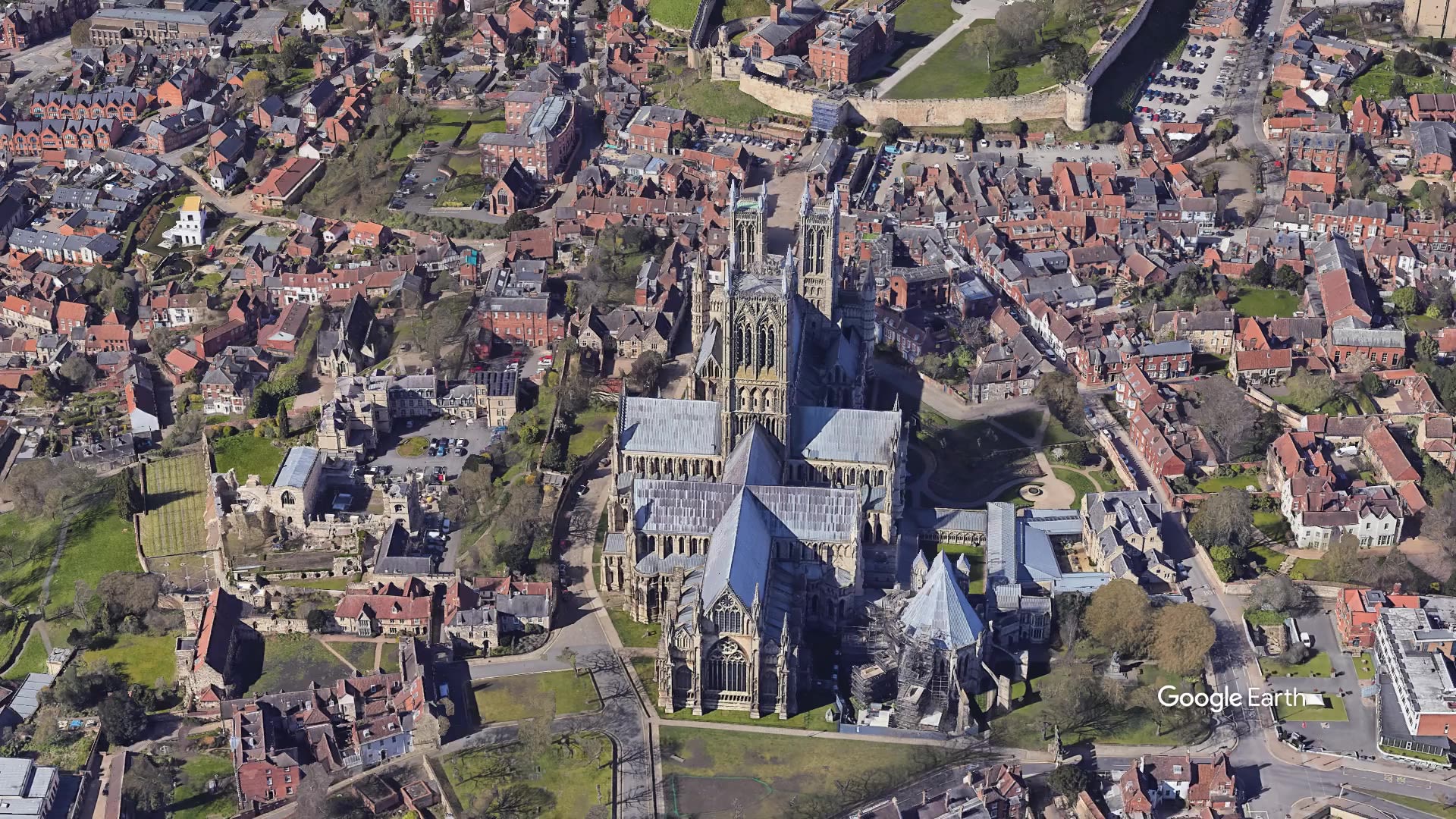

Stepping off the surprisingly polished train to Lincoln, it’s there.
It’s always there, everywhere you go. The famous 1,000-year-old towering landmark seems to follow you wherever you go.
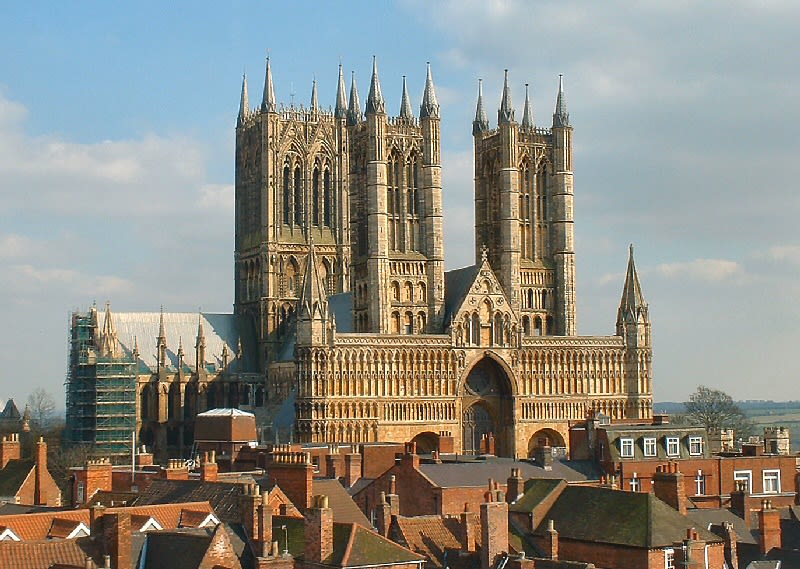
Welcome to Lincoln – and the ever-present view of its cathedral, built by hand in just 20 years by Norman peasants and visible from all directions from up to 30 miles away.
Visiting my partner in Lincoln usually requires me to bring an extra bag stuffed to the brim with thick, warm hoodies to counter the sharp winds that hit you in the face and especially ears as soon as you’re outside. Today, however, the humidity engulfed every inch of my skin and made the feeling of the sweaty backpack straps on my shoulders all too apparent.

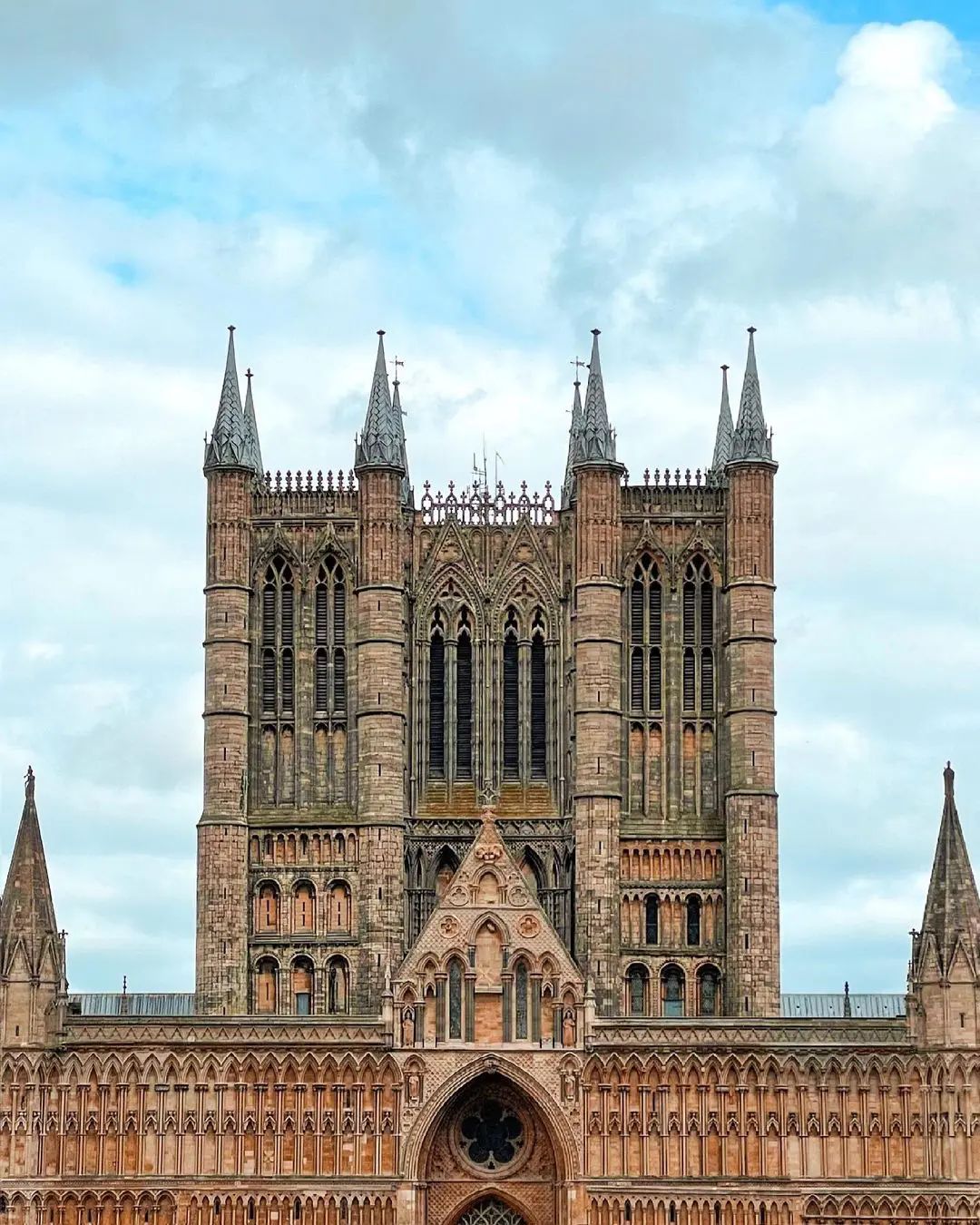
After successfully leaving the overcrowded station, I was met with the sight of the timeless, beautiful cathedral atop a dangerously steep hill. The first thing you notice upon arriving in Lincoln is the cathedral and the last thing you see as you leave the city is the cathedral. The winding roads leading up it sit plastered with tiny 15th century shops, each one bearing crooked lettering detailing the shop names, of which a large majority began with ‘ye olde’.
Turning towards two parallel rows of stone benches near the train station exit, I spotted my partner.
The brilliant thing about Lincoln is that anything you may need or any place you may wish to go will always be within shockingly short walking distance. Lincoln is a small city, a great mixture of new and old, contemporary and historic, home to only 100,000 people, 14,000 being the student population.
No longer than five minutes after leaving the train station, I stood looking gloomily up at the five flights of stairs we were about to reluctantly climb, leading to the apartment.
After waking up the next morning to the harsh blinding sunlight beaming through the windows, we ventured out into the city for something to fill our talkative stomachs.
Lincoln’s city centre sits at the bottom of the cathedral’s hill and winds up it in narrow and cobbled fashion, unlike my more familiar littered streets of Leicester with its relentless stench of marijuana and bustle of hecklers.
We walked past 18th century cheese and pie shops with low-hanging ceilings, antique shops filled with delicate war memorabilia in glass cabinets, cafes with cats curled up in the shop windows, baking their beautiful tawny coats in the sun.
At night, the cathedral lights up purple to mark the season of Lent. But in the morning as we sat outside a quiet café serving cheese toasties and freshly baked pastries, the brownish grey hue of the masterpiece stretched out its limestone walls and towered above all the city.
The Saturday afternoon crept up on us as we journeyed up the stone-paved streets surrounded by fatigued brick walls and worn-out handrails that told a story of a different time. Reaching the top of the hill and turning to look back down, we witnessed a bustle of people, young and old, venturing upwards like we had done, grasping walking sticks and heavy prams. Dotted around the street were several couples sporting marvellous silver hair, some of them pointing to old-fashioned fudge shops and some to shop windows displaying painted pottery fairies and garden gnomes.






Casting my eyes further back, I saw the entirety of the city, each stone building and each glistening bend in the river, home to brilliantly decorated boats with painted bodies of every colour imaginable. Each elegant religious architecture and each castle just as magnificent as the last had put smiles on each face that passed us by.
The last establishment before the cathedral was a vibrant pub filled with young men all seemingly in their mid-20s. They stood in packs outside.
Leaning on the wooden walls of the pub’s exterior, conversing about funny things they’d seen, swaying as they laughed heartily every ten or so seconds. The clinking of beer glasses could be heard inside the thundering building and outside it, bright-yellow foamy drinks sloshed around in their glasses, droplets jumping to the ground in escape. The pub had been painted a lively light blue colour, but cracks in the paint exposed the raw timber beneath it.
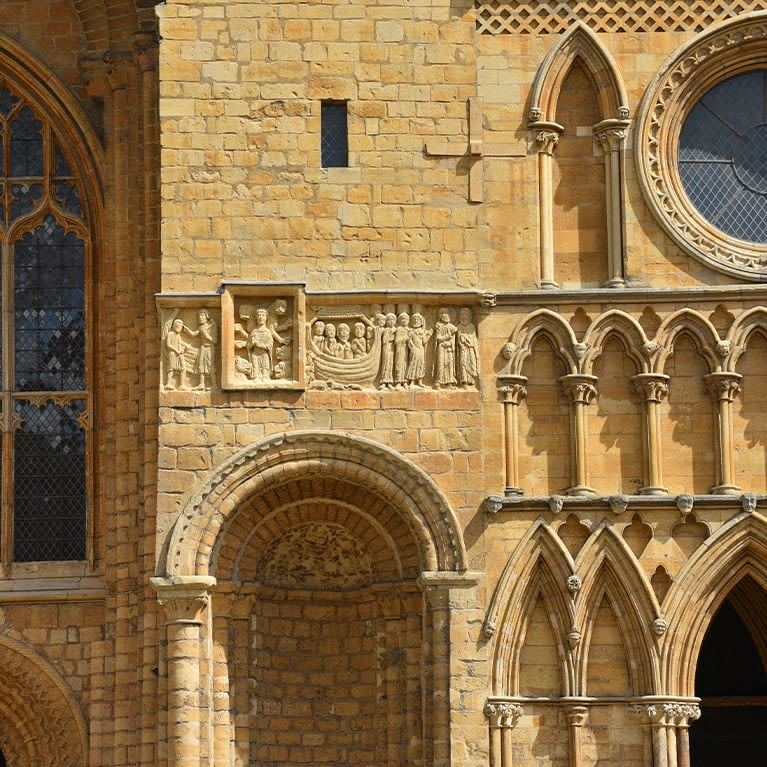
Ahead of the pub sat a marvellous limestone bridgeway leading to the cathedral, coated in Norman carvings representing a century so different from ours.
Underneath the bridgeway, a short, stocky man stood next to a shire horse with loud feet and impressively lavish white hair that almost reached the ground. Attached to the horse was a red frilly carriage with enormous, dusty wheels. The man held a sign that read “30-minute horse rides around Lincoln £30, £50 for an hour”.
Now approaching the cathedral itself, we discovered why it was so popular and just how big it really was. Standing near the bridgeway, I attempted to take a photo of the exterior of the church with my phone and was only able to fit half of the architecture into it.
The cathedral took 20 years to build by hand, first starting out in 1072, with later work finishing in 1092 under the direction and leadership of William the Conqueror. The Norman design details therefore gave us an understanding of the time and dedication that went into the building of the cathedral.
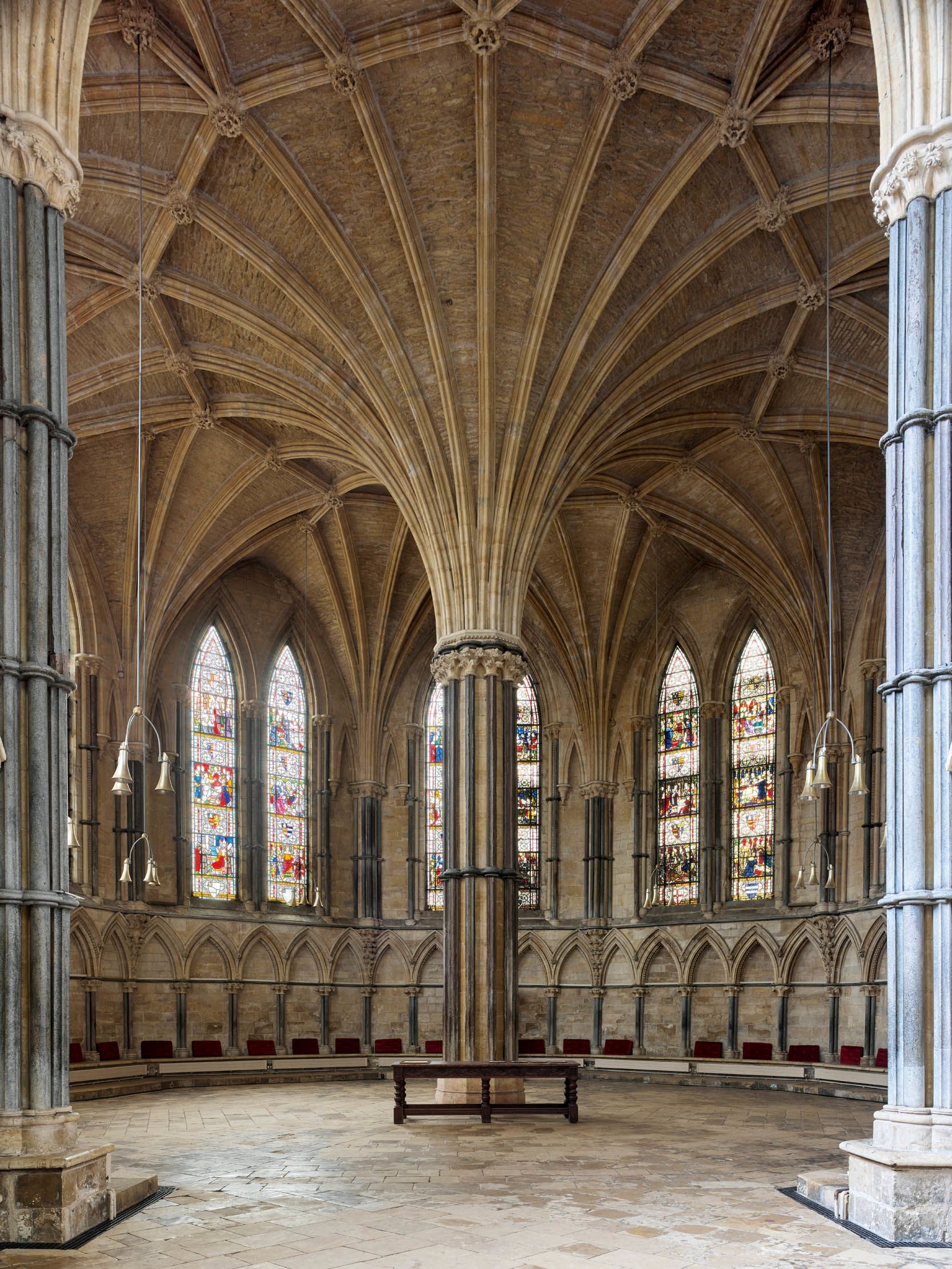
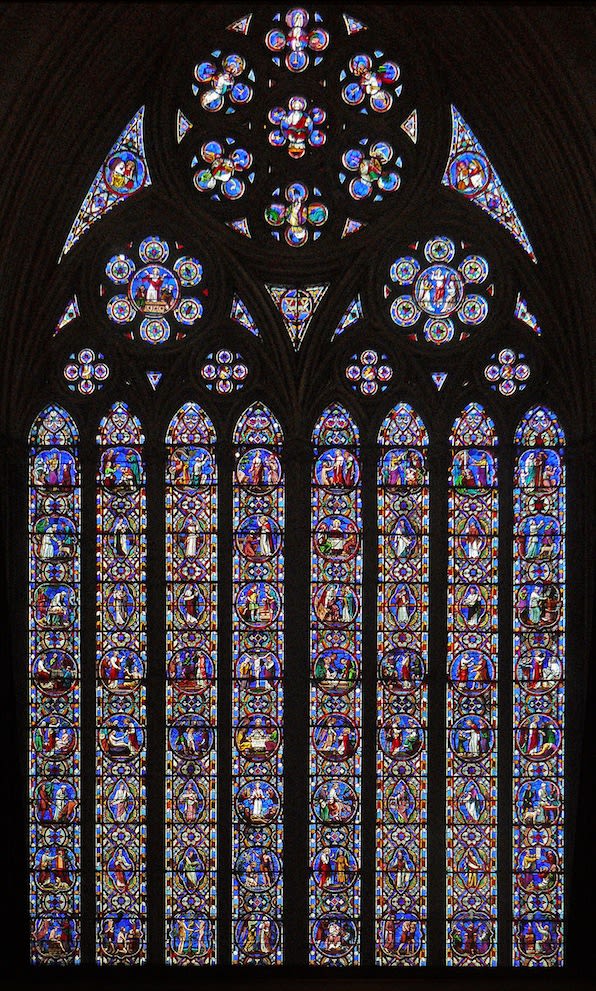
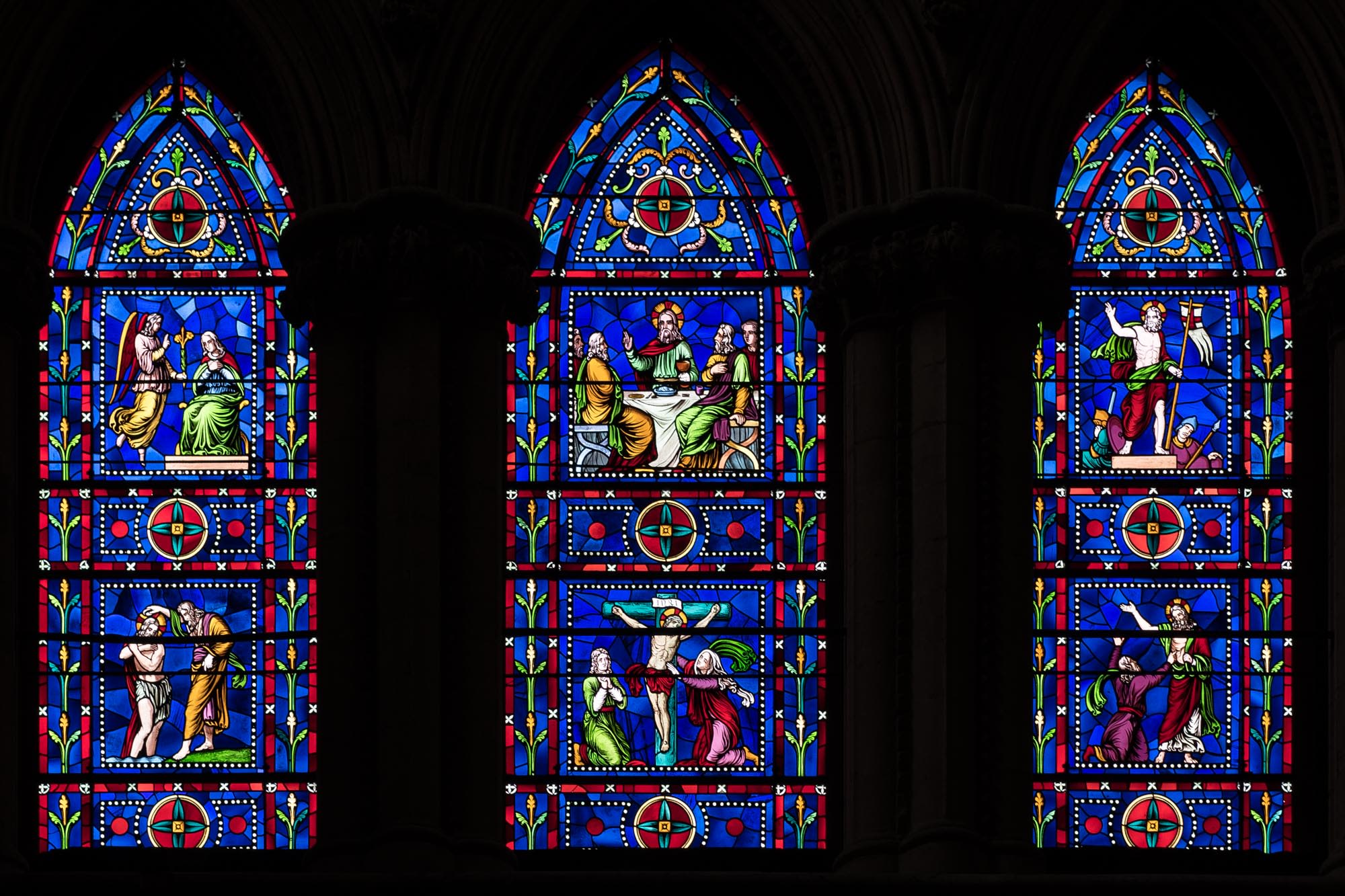
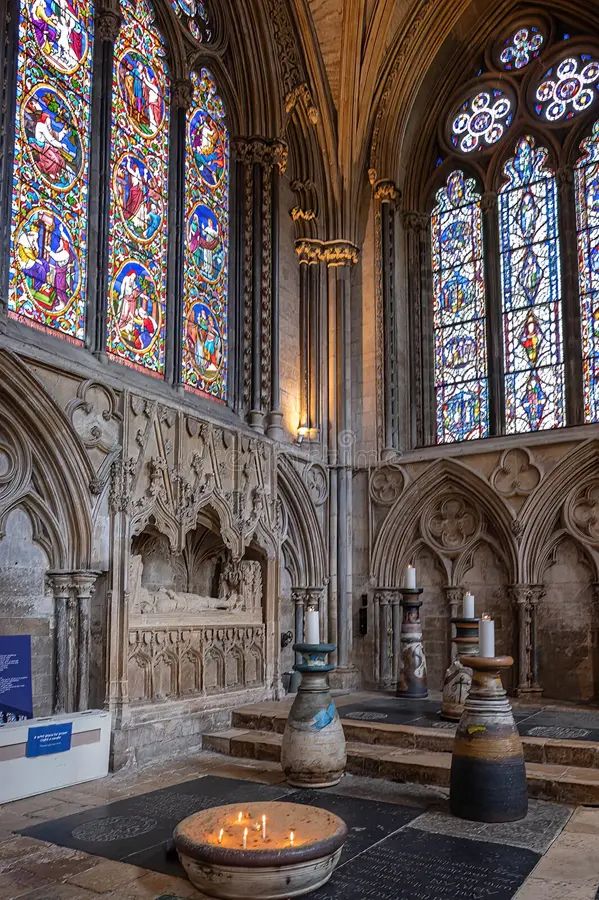
Each limestone carving told an 11th century story of pure grit and hard work, religion and political power, but the inside of the cathedral told a thousand more stories. The ceilings stood 82 feet tall and plastered with intricate paintings depicting scenes from the bible, each one lined in remarkable gold frames. The stained-glass windows shone every colour of the rainbow, with the sun bursting through them reflecting pockets of multicoloured light over every surface.

Grand tables holding crosses made from Jerusalem timber had been placed in the centre of every room, along with hand woven tapestries, worn with age.
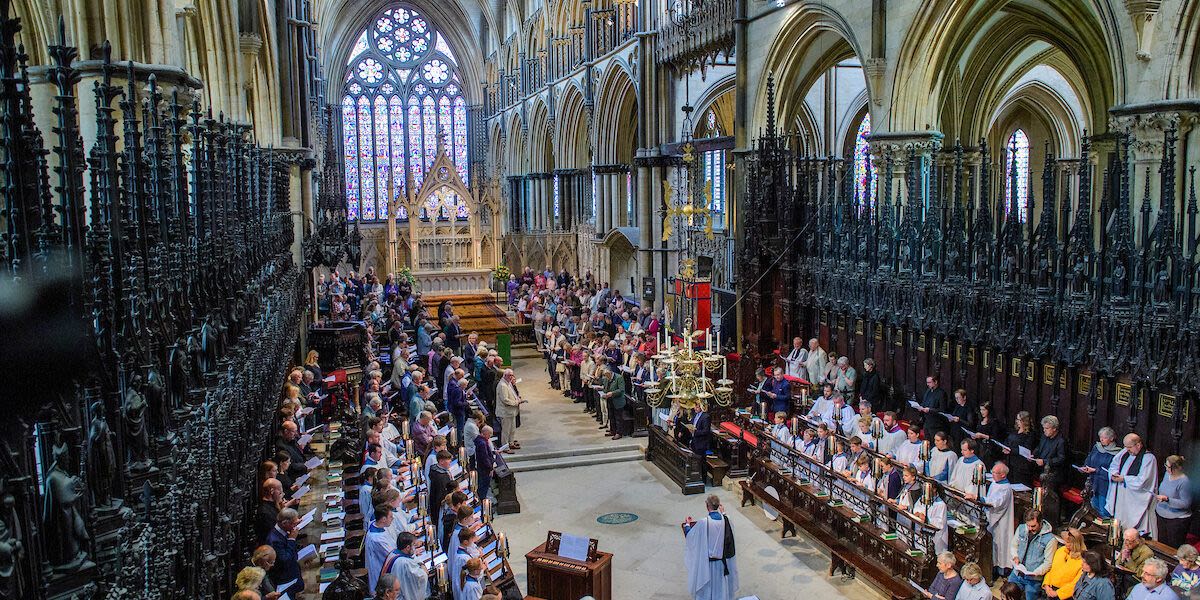
Human sized statues of religious figures stood watch over great bowls of sand with burning candles half buried into them, each one placed there with prayers. Approaching a peaceful courtyard, the sounds of gospel singers pleasantly met our ears from a room through vast double doors to our right. Peering inside, we saw a congregation of roughly 40 people, sat towards an orchestra conductor who threw his arms out into the air in every direction, as the singers darted their eyes from him down to their song lyric sheets.
As the sky grew darker, we made our way out of the cathedral and down the cobbled streets, grasping onto the railings for support, talking of when we’d next visit the cathedral.
Sunday came around quickly, and we spent the day trying to relax, although it was hard with the humidity of the apartment. Fortunately, however, when evening arrived, the heat died down slightly and became more bearable. The walk to the train station was difficult due to the number of bags I had brought but, thankfully, only took a couple of minutes, as any walk in Lincoln would.
We said our goodbyes, through struggling breath from the difficulties of jumbled luggage, then I set off through the ticket gate alongside rushing, stressed travellers.
Once aboard the train and having located an empty seat with a table and charging port, I sorted my bags and reached for my headphones.
Looking out the dusty window as the train slowly set off out of Lincoln, my eyes naturally fell on the beautifully lit up cathedral with its outstretched towers and glistening stained glass windows. It never failed to amaze me.
 Built with Shorthand